Source Anti-Wear Aviation Hydraulic Oil for Sealing Lubrication Cooling
Compare 30 listings of anti-wear aviation hydraulic oil featuring mineral, synthetic, and bio-based options with additives like anti-wear agents and viscosity index improvers. Buyers can evaluate specifications including flash points, pour points, and viscosity grades for sealing, rust prevention, and cooling applications.
Key considerations
Products List


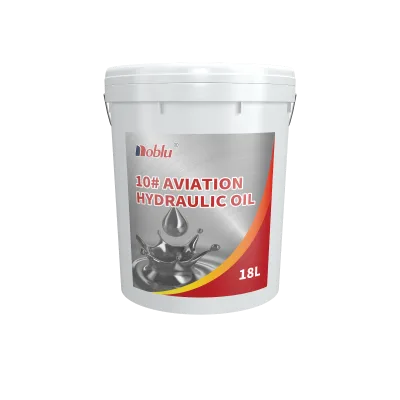
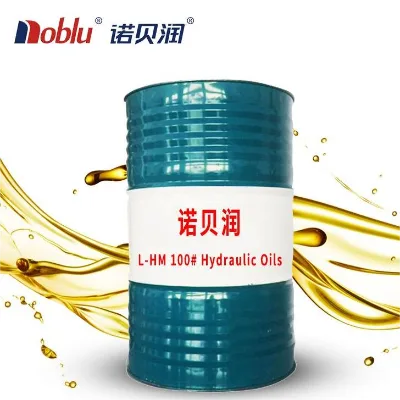
Anti-wear Hydraulic 100 Industrial Lubricating Oils 170KG Drum Package
$2.25 - $2.65
MOQ: 3000 kilograms


Comprehensive Sourcing Guide
Strategic Sourcing Guide for Anti-Wear Aviation Hydraulic Oil
Procuring anti-wear aviation hydraulic oil requires a rigorous approach that balances high-performance fluid dynamics with strict regulatory compliance. Unlike general industrial lubricants, aviation-grade fluids must operate reliably under extreme pressure, temperature fluctuations, and safety-critical conditions. The sourcing process begins with a precise understanding of the technical attributes required for specific aircraft systems, followed by a verification of supplier capabilities against international standards. Buyers must navigate a complex landscape where the distinction between mineral, synthetic, and bio-based base oils determines the fluid's suitability for various aviation applications. This guide outlines the essential steps for evaluating potential suppliers, interpreting technical data sheets, and ensuring long-term supply chain stability for aviation hydraulic systems.
Technical Specifications and Base Oil Classification
The foundation of any successful procurement strategy lies in the accurate identification of the fluid's base oil type and additive package. In the current market, aviation hydraulic oils are derived from three primary base oil categories: mineral, synthetic, and bio-based. Each category offers distinct performance characteristics that must align with the specific aircraft manufacturer's requirements. Mineral oils, often characterized by their yellow or transparent appearance, provide a cost-effective solution for general lubrication but may lack the thermal stability required for high-performance jet systems. Synthetic oils, conversely, offer superior protection against oxidation and extreme temperature variations, making them ideal for high-altitude operations. Bio-based oils represent an emerging category, offering enhanced biodegradability and reduced environmental impact, though their compatibility with existing seals and materials must be rigorously verified.
The additive package is equally critical in defining the fluid's anti-wear capabilities. High-performance aviation hydraulic oils typically contain a sophisticated blend of viscosity index improvers, friction modifiers, anti-wear additives, and antioxidants. These additives work in concert to maintain fluid viscosity across a wide temperature range, prevent metal-to-metal contact under high load, and inhibit the formation of sludge and varnish. The presence of specific additives such as dispersants and rust preventatives further ensures the longevity of the hydraulic system components. Buyers should verify that the supplier's product data sheets explicitly list these additives and confirm their concentration levels. For instance, a fluid designed for shock absorption and sealing must demonstrate a specific viscosity grade, such as SAE 20W, to ensure proper flow characteristics during operation.
Compliance, Certification, and Regulatory Standards
In the aviation sector, compliance is not merely a recommendation but a mandatory requirement for safety and operational integrity. Procurement teams must prioritize suppliers who can provide verifiable certifications from recognized international bodies. Common certifications relevant to aviation hydraulic fluids include SAE (Society of Automotive Engineers), ACEA (European Automobile Manufacturers' Association), NSF (National Sanitation Foundation), and JASO (Japanese Automotive Standards Organization). These certifications indicate that the product has undergone rigorous testing and meets specific performance benchmarks. However, buyers must exercise caution; the presence of a certification label does not automatically guarantee suitability for every aviation application. The specific standard, such as L-HM 32/46/68/100, must be matched to the hydraulic system's design parameters.
Furthermore, the fluid must adhere to strict industry standards regarding flash point and pour point. The flash point, which indicates the temperature at which the fluid can ignite, is a critical safety metric. Aviation fluids typically require a high flash point, often exceeding 210°C to 225°C, to prevent fire hazards in high-temperature environments. Similarly, the pour point, which defines the lowest temperature at which the fluid remains fluid, is vital for cold-weather operations. Values ranging from -12°C to -33°C are observed in the market, and the selection depends on the operational climate of the aircraft. Buyers should request test reports that validate these numerical values rather than relying solely on marketing claims. Additionally, the fluid's density and kinematic viscosity at both 40°C and 100°C must be verified to ensure compatibility with the system's pump and valve specifications.
Cost Drivers and Economic Considerations
Understanding the cost structure of aviation hydraulic oil is essential for budgeting and total cost of ownership analysis. The price of these fluids is influenced by several factors, including the base oil type, the complexity of the additive package, and the volume of the order. Synthetic and bio-based oils generally command a higher price point than mineral oils due to the advanced manufacturing processes required. The observed market price range for such products can vary significantly, from approximately $0.50 to $42 per unit, depending on the packaging size and the specific formulation. Buyers should be aware that the lowest unit price does not always equate to the best value; a cheaper fluid with inferior thermal stability may lead to increased maintenance costs and system downtime.
The minimum order quantity (MOQ) is another significant economic factor. Suppliers may require MOQs ranging from 1 unit to 10,000 units, which can impact cash flow and inventory management. For smaller operators or those testing new formulations, suppliers offering flexible MOQs are preferable. Conversely, large-scale procurement can benefit from economies of scale, potentially reducing the per-unit cost. Packaging also plays a role in cost; options such as iron drums, barrels, bottles, and custom packaging (e.g., 20-liter or 200-liter barrels) affect both the initial purchase price and the logistics expenses. Buyers should evaluate the total landed cost, including shipping, handling, and storage, rather than focusing solely on the sticker price. Customization of packaging, such as the ability to order specific volumes from 500ml to 210L, can further optimize logistics and reduce waste.
Typical Applications and System Compatibility
Anti-wear aviation hydraulic oil is designed for a diverse range of applications within the aviation ecosystem. The primary functions include lubrication, sealing, rust prevention, and cooling. In hydraulic systems, the fluid must provide effective shock absorption to dampen the impact of actuator movements, ensuring smooth and precise control of flight surfaces. The sealing capability is crucial for maintaining system pressure and preventing leaks, which could compromise aircraft safety. Rust prevention is equally important, as moisture ingress can lead to corrosion of internal components, particularly in humid or marine environments. Cooling properties help dissipate heat generated by the hydraulic pumps and actuators, preventing overheating and degradation of the fluid.
The specific application dictates the required fluid properties. For example, engine oils and gear oils may have different viscosity and additive requirements compared to dedicated hydraulic transmission oils. A fluid labeled as "High and Low Temperature Lubricating Oil" is suitable for systems that experience wide thermal swings, while a "Protective Lubricant" focuses on minimizing wear during high-load operations. Buyers must match the fluid's specification, such as the model number (e.g., HY001) or the standard (e.g., L-HM series), to the aircraft manufacturer's manual. Using a fluid with incorrect viscosity or additive composition can lead to system failure, void warranties, and create safety hazards. Therefore, a thorough review of the aircraft's technical documentation is necessary before finalizing a procurement decision.
Supplier Evaluation and Quality Assurance
Selecting the right supplier is as critical as selecting the right product. Buyers should evaluate potential suppliers based on their origin, production capacity, and quality control processes. The supply chain for aviation fluids often originates from specific regions, such as Hebei Province or Handan in China, where specialized manufacturing facilities are located. While geographic origin can indicate production capabilities, it should not be the sole criterion for selection. Instead, buyers should focus on the supplier's ability to provide consistent quality and adhere to strict safety standards.
Quality assurance protocols are paramount. Suppliers should demonstrate a commitment to quality through documented testing procedures and traceability. Buyers should request batch-specific test results that verify key parameters such as kinematic viscosity, flash point, pour point, and color. The color of the fluid, whether red, yellow, or transparent, can also serve as an indicator of the base oil type and additive package. Additionally, the supplier's ability to offer customization, such as tailored packaging or specific additive blends, is a valuable asset. A supplier that can adapt to unique operational requirements demonstrates a higher level of technical competence. Buyers should also verify the supplier's lead times and logistics capabilities to ensure timely delivery, especially for critical maintenance operations.
Long-Term Procurement and Supply Chain Resilience
Establishing a long-term relationship with a reliable supplier is essential for maintaining operational continuity in the aviation sector. Procurement strategies should focus on building supply chain resilience to mitigate risks associated with market volatility, regulatory changes, and logistical disruptions. Buyers should consider diversifying their supplier base to avoid over-reliance on a single source. This approach ensures that alternative options are available if a primary supplier faces production issues or quality concerns.
Long-term procurement also involves regular performance reviews and audits. Buyers should establish a schedule for re-evaluating supplier performance, including the consistency of product quality, adherence to delivery schedules, and responsiveness to technical inquiries. Continuous communication with suppliers regarding updates in industry standards and new product developments can help buyers stay ahead of technological advancements. Furthermore, buyers should monitor the shelf life and storage conditions of the hydraulic oil to ensure that the product remains effective throughout its lifecycle. Proper storage in iron drums or custom packaging, as specified by the supplier, is crucial to maintaining the fluid's integrity. By adopting a proactive and strategic approach to procurement, buyers can ensure the reliability and safety of their aviation hydraulic systems over the long term.
FAQs
What base oil types are available for anti-wear aviation hydraulic oil?
Available base oil types include mineral, synthetic, and bio-based options. Buyers should verify the specific type required for their aircraft system, as mineral oils are cost-effective while synthetic and bio-based variants offer superior thermal stability and biodegradability.
Which certifications are required for aviation hydraulic fluid procurement?
Relevant certifications include SAE, ACEA, NSF, and JASO standards. These indicate the product meets specific performance benchmarks, but buyers must ensure the specific standard, such as L-HM 32/46/68/100, matches their hydraulic system design parameters.
How does the flash point affect safety in aviation applications?
Aviation fluids typically require a high flash point, often exceeding 210°C to 225°C, to prevent fire hazards. This safety metric is critical for high-temperature environments, and buyers should request test reports validating these numerical values.
Can suppliers customize packaging for anti-wear hydraulic oil orders?
Yes, suppliers offer customizable packaging including iron drums, barrels, bottles, and specific volumes from 500ml to 210L. This flexibility helps optimize logistics and reduce waste, with options like 20-liter or 200-liter barrels available for large-scale procurement.
What additive packages are included in high-performance hydraulic oils?
High-performance oils typically contain viscosity index improvers, friction modifiers, anti-wear additives, and antioxidants. These additives maintain fluid viscosity across temperature ranges and prevent metal-to-metal contact, with some formulations also including dispersants and rust preventatives.
Where are the primary manufacturing locations for these lubricants?
Primary manufacturing origins include Hebei Province and Handan in China. While geographic origin indicates production capabilities, buyers should prioritize suppliers with consistent quality control and adherence to strict safety standards over location alone.
What is the typical price range for aviation hydraulic oil?
The observed market price range varies from approximately $0.50 to $42 per unit. This variation depends on packaging size, base oil type, and additive complexity, so buyers should evaluate total landed costs rather than just the sticker price.